If you're financing a rehab or ground-up construction project with a hard money loan, your construction funds won't arrive in one lump sum. They'll be released in stages — called draws — tied to specific milestones in your build. This is the draw schedule, and understanding how it works is one of the most practical things you can do to keep your project funded and on timeline.
Draw schedules exist to protect both the lender and the borrower. They ensure money flows when work gets done, not before. Here's exactly how the process works, what to expect at each stage, and how to avoid the delays that cost investors time and money.
What Is a Draw Schedule?
A draw schedule is a structured plan that outlines when construction funds will be released during a project. Each release — or "draw" — is tied to a construction milestone. When you reach the milestone, you request the draw. The lender verifies the work is complete, then releases the funds.
Think of it as a funding timeline that mirrors your construction timeline. The draw schedule is established at closing based on your approved scope of work and budget. It spells out exactly how much money is allocated to each phase and what has to be completed before those funds are released.
Why Lenders Use Draws Instead of Disbursing All Funds Upfront
Lenders don't release the full construction budget at closing for the same reason you wouldn't pay a contractor 100% before they start work. Draws are a risk management tool. They ensure that:
- Funds are only released for work that's actually been completed
- The property's value is increasing in proportion to the money being spent
- The project stays on scope — no unauthorized changes eating through the budget
- If a project stalls or a borrower defaults, the lender's collateral still has value
For investors, draws also provide a built-in checkpoint system. Each draw is an opportunity to verify your contractor's progress, catch scope issues early, and confirm that the budget is tracking correctly.
Typical Draw Structure
Draw schedules vary by lender and project type, but most follow a predictable milestone-based structure. Here's what a common draw schedule looks like for a rehab or new construction project:
| Draw | Milestone | % of Budget |
|---|---|---|
| 1 | Foundation / Site Work / Demo | 15–20% |
| 2 | Framing & Structural | 20–25% |
| 3 | Rough-Ins (Plumbing, Electrical, HVAC) | 15–20% |
| 4 | Drywall & Insulation | 10–15% |
| 5 | Finish Work (Flooring, Cabinets, Paint, Fixtures) | 20–25% |
| Final | Punch List & Final Inspection | 5–10% |
The exact percentages depend on your specific budget and the lender's structure. Some lenders use four draws, some use six or more. Ground-up construction projects typically have more draws than a cosmetic rehab. The key point: each draw maps to verified, inspectable work.
The Draw Request Process: Step by Step
When you've hit a milestone and you're ready for the next funding release, here's how it works:
- Step 1 — Submit a draw request. You notify your lender that the milestone is complete and request the draw. Most lenders accept this via email or an online portal. Include photos of the completed work and any relevant documentation (permits passed, inspection reports).
- Step 2 — Inspector visits the property. The lender dispatches a third-party inspector to verify the work. The inspector confirms that the milestone has been completed as described in your approved scope of work.
- Step 3 — Lender reviews the inspection report. Your lender's draw team reviews the inspector's findings, confirms everything aligns with the budget and scope, and approves the release.
- Step 4 — Funds are released. The draw amount is wired or ACH'd to your account (or in some cases, directly to your contractor). Typical turnaround from request to funding is 3–5 business days.
Pro tip: Don't wait until you need the money to submit the draw request. Submit it as soon as the milestone is complete. The 3–5 day turnaround means you need to stay ahead of your construction timeline, not behind it.
What Inspectors Look For
The third-party inspector isn't doing a full building inspection. They're verifying that the work described in your draw request has actually been completed. Specifically, they're checking:
- That the completed work matches the approved scope of work
- That the quality of work is consistent with standard construction practices
- That the percentage of completion matches what's being claimed
- That materials on site are installed, not just stored in the garage
- That required permits and municipal inspections have been passed
Inspectors take photos and submit a report to the lender. If the work matches the draw request, approval moves forward. If it doesn't, the lender will tell you exactly what needs to be addressed before the draw can release.
Common Draw Delays (and How to Avoid Them)
Most draw delays are preventable. Here are the most common causes:
- Work doesn't match the scope. If your SOW says "install LVP flooring throughout" and the inspector shows up to find tile in the kitchen and no flooring in the bedrooms, the draw won't release for the full amount. Keep your scope current.
- Permits not pulled. If the work requires a permit and you haven't pulled it, the inspector will flag it. Lenders can't release funds for unpermitted work that should have been permitted.
- Change orders not documented. Plans change during construction — that's normal. But if you've deviated from the original scope without submitting a change order to your lender, the inspection won't align with the file. Document every change before the work is done.
- Materials stored but not installed. Lumber stacked in the driveway or cabinets sitting in boxes in the living room don't count as completed work. Draws fund installed work, not purchased materials.
- Incomplete draw request. Missing photos, vague descriptions, or draw requests that don't reference specific line items slow down the review process. Be thorough when you submit.
How to Keep Your Draws on Schedule
Investors who keep their draws moving smoothly tend to do three things consistently:
- Communicate with your lender proactively. If there's a delay on site, tell your lender before they find out from the inspector. If you need to change the scope, submit the change order early. Lenders don't like surprises — and surprises slow everything down.
- Document everything with photos. Take progress photos at every stage — before, during, and after. When you submit a draw request, include clear photos that show the completed work. This speeds up the review and gives the inspector context before the site visit.
- Keep your contractor on timeline. Your draw schedule is only as good as your construction schedule. If your contractor is three weeks behind, your draws will be three weeks behind. Hold regular check-ins, set milestones with your GC, and address delays immediately.
Budget tip: Build your project cash flow plan around a 3–5 day draw turnaround. If you're funding materials or labor out of pocket before the draw reimburses you, make sure you have enough liquidity to bridge that gap. Running out of cash between draws is one of the most common reasons rehab projects stall.
When Costs Exceed the Original Budget
It happens. You open a wall and find termite damage. The city requires an upgraded sewer lateral. Your contractor's material costs jump mid-project. When the actual cost exceeds your approved budget, here's what to do:
- Submit a change order immediately. Don't wait until the next draw request. Contact your lender, explain the cost increase, provide documentation (photos, contractor estimates, inspection reports), and request a budget revision.
- Use your contingency reserve. This is exactly what the contingency line item in your budget is for. If you built in a 10–15% contingency at closing, you have a buffer to absorb unexpected costs without needing additional funds from the lender.
- Request additional funds if necessary. If the cost increase exceeds your contingency, your lender may be able to increase the construction holdback — but only if the property's as-improved value supports the additional spend. This requires a revised appraisal or BPO in most cases.
The worst thing you can do is ignore the overage and hope to make it up on the next draw. That's how projects run out of money with unfinished work — and unfinished projects don't sell.
How SGC Handles Draw Schedules
At Southern Ground Capital, draws are built into every fix and flip and new construction loan. Here's what to expect when you work with us:
- Structured and transparent. Your draw schedule is established at closing based on your approved scope of work. You'll know exactly how much is allocated to each milestone before you break ground.
- 3–5 business day turnaround. Once you submit a draw request with documentation and the inspection is complete, funds release within 3–5 business days. We don't sit on draw requests.
- Dedicated point of contact. You won't be calling a general 800 number to ask about your draw. You'll have a direct contact on our team who manages your file and can answer questions in real time.
- Flexible on change orders. Construction doesn't always go to plan. We work with borrowers to process change orders quickly so your project doesn't stall over paperwork.
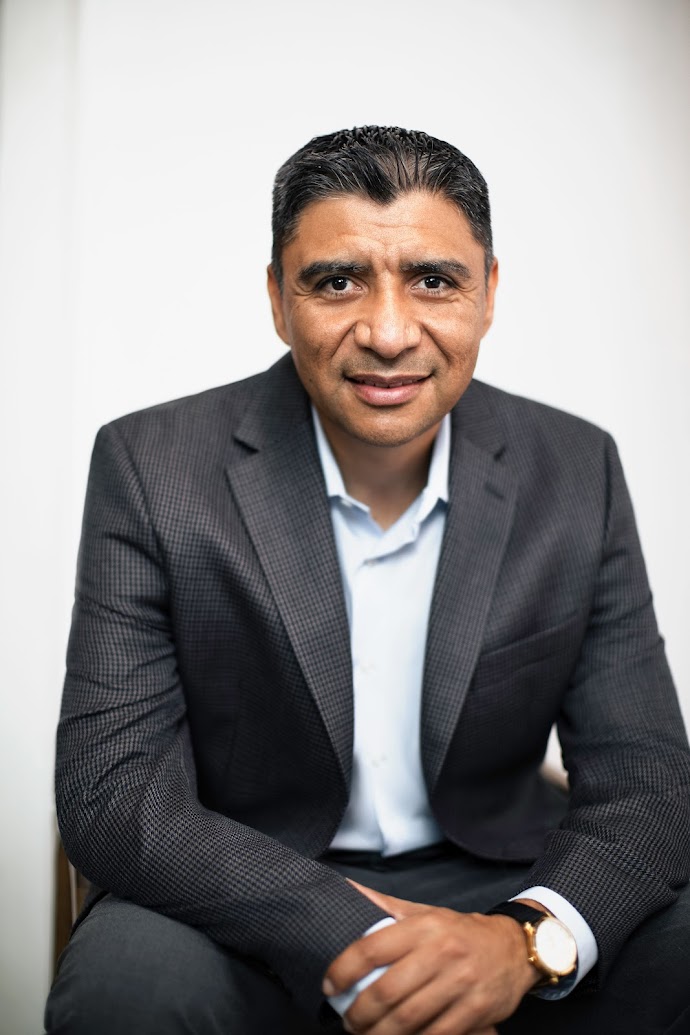
Southern Ground Capital is a direct private lender based in Atlanta, GA, funding fix & flip, DSCR, bridge, construction, multi-family, and cash-out refinance loans for real estate investors in 43 states. Our articles are written by the people who underwrite these files. Founded by Edgar Vargas, Founder & Managing Partner.
Have a Construction or Rehab Deal Ready?
SGC funds fix & flip and new construction loans with structured draw schedules, 3–5 day draw turnaround, and a dedicated point of contact from close to completion. No upfront fees.
Submit Your Deal →